
Love Your Loved One Series
What if staying home could include Plan B?
Planning for assisted living, memory care, or long-term care doesn’t mean you’re giving up on keeping someone home.
It means you’re protecting the family from having to make a life-changing decision during a crisis.
I encourage families to think in four stages.
-
Creating a Stay-Home Plan
If the goal is to remain at home, let’s make that goal as safe and sustainable as possible.
We look at:
*Current care needs
*Home safety
*Medication management
*Caregiver availability
*Home-care resources
*Family responsibilities
*Transportation
*Financial resources
*Emergency backup plans/call list
*Changes and re-evaluations that indicate additional support needed
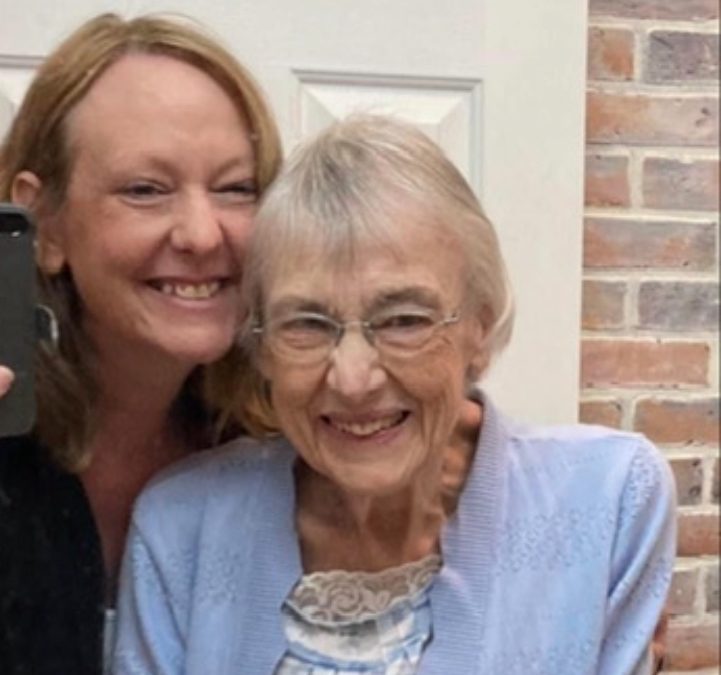
The goal is to keep your loved one home safely for as long as it remains appropriate. I often recommend that families set a threshold for when it’s time to consider transitioning out of the home so all family members can support the primary caregiver. I created this threshold for my family as I cared for our mother at home. Mine was simply: if I could no longer physically support this due to my pre-existing back issues or if I became her enemy in her demented mind. Our relationship was so special; I knew I couldn’t endure a compromised relationship as our last memories together. Each family will have their own version of this verbal agreement amongst themselves, but it was extremely beneficial to me as my heart was breaking with the reality that I was no longer able to care for our mother at home. My family stepped up with support, and I never felt like I failed anyone, including our mother. My efforts were valued, and my breaking point included a new back injury that made the unavoidable truth of our already planned route for admission to a retirement community that we held a spot for should such a time arise.
-
Identify the Warning Signs
Families need to know what changes should cause them to pause and reassess.
That may include:
*Repeated falls
*Wandering
*Medication mistakes
*Increasing nighttime supervision
*Increased incontinence needs
*Behavioral changes
*Frequent emergency room visits
*Hospitalizations
* Increasing caregiver hours
*Caregiver exhaustion
*A family member no longer being able to provide the necessary care
These aren’t automatic reasons to move someone.
They’re signals that the current plan may need to change.
-
Ask the Question: What if Something Happens Tomorrow?
This may be one of the most important conversations a family can have.
If Mom fell tonight and went to the hospital, what would happen next?
Would her injuries make it impossible to return home?
Would she need rehabilitation?
Who would provide care?
Where would you want her to go?
I call this the “What if” game. These are questions that make families uncomfortable, but having the conversation before the crisis gives families something incredibly valuable. I work as a senior care advisor and walk families through this process. If your family cannot have healthy, collaborative conversations with real problem-solving sessions, you may need to reach out to a neutral third party to assist in focusing on your loved ones’ well-being to keep the conversations moving forward toward preparation. Time…
Giving your family time to tour. Compare, understand costs, talk with siblings, and most importantly, time to understand what your loved one wants. Making decisions based on fear or exhaustion, sometimes led by well-meaning professionals in discharge planning, can cost your loved one all their dignity and autonomy. Be prepared and have a professional on your side to advocate for the best option to be implemented if unable to do so yourself. Hospital discharges often feel pressured. I was a hospital administrator. This is driven by insurance reimbursement. You do have more choices than are being presented to you, and you do have a voice.
-
Create a “Ready File”
I believe every family caring for an aging loved one should have a Ready File.
It doesn’t mean you are planning for the worst; it means you are ready for the unexpected.
I had both of my parents’ history and physical documents, including a full and updated medication list, in a digital file so that I could speak to their histories if needed.
Your Ready File may include:
*Preferred senior living communities
*A second-choice option
*Medical Information, Diagnosis, surgical history, updated medication list, and appointments
*Insurance Information
*Power of attorney information
*Important financial information
*VA or Medicaid considerations (VA benefits coverage changes when care needs change)
*Family decision makers (spokesperson; too many voices slow the process)
*Your loved one’s preferences (hobbies, outside space, lighting, food favorites, loner or social?)
The right answer can change as the person’s needs change, especially if cognitive changes are occurring. Your loved one in their alert and oriented mind may have verbalized preferences that are no longer considered for the now compromised mind. For example, my mother loved her friend and church groups during her earlier years but became uncomfortable following conversations when her Parkinson’s and Dementia progressed. She no longer wanted to be alone with her dear and sweet friends. She wanted me to be there to assist in conversation and to know her telltale signs of tiring for a graceful exit.
Loving your loved one sometimes means transitioning to your PLAN B. Hang in there, dear caregivers. You are not alone.
Kelly Ott, CSA, CDP
Eldercare Strategist, Dementia Practitioner
Best-Selling Author, *Caregiver’s Advocate 2, *Caregiver’s Advocate 3*
Joyful Living LLC dba Senior Care Authority
Joyful Living Expressions, Artist